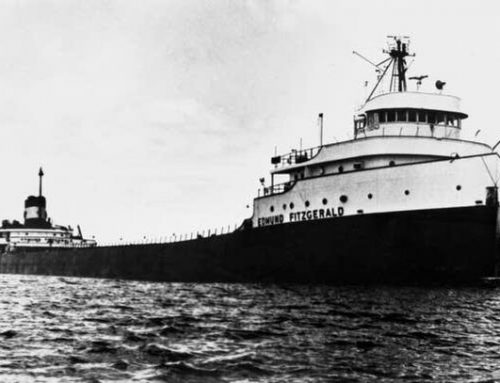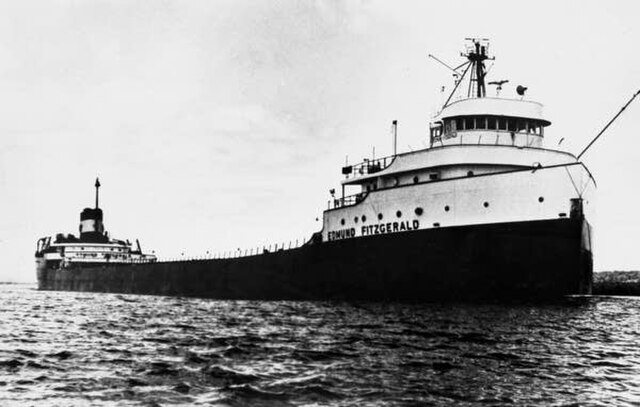

Some stories never really leave us. On the Great Lakes, the story of the Edmund Fitzgerald is one of them.
On November 10, 1975, the 729-foot freighter sank during a powerful storm on Lake Superior, taking all 29 crew members with her. More than 50 years later, her story still captures the attention of people across the Great Lakes and beyond. But the Edmund Fitzgerald is just one chapter in a much larger story. For generations, the Great Lakes have been home to hardworking sailors, massive freighters, remarkable engineering achievements, and, unfortunately, tragedies that have become part of the region’s history.
Here in Sault Ste. Marie and the surrounding area, that history is never very far away, and there are actually several places where you can explore it for yourself.
Whitefish Point: Where Lake Superior’s Stories Live On
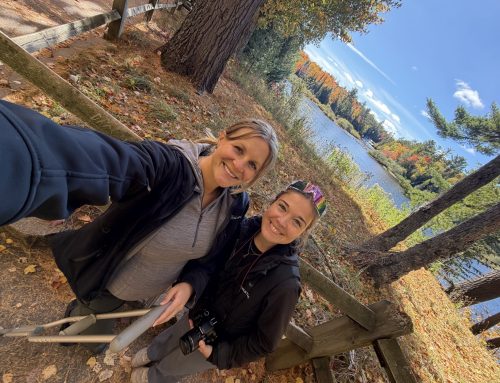
About 70 minutes west and north of Sault Ste. Marie, Whitefish Point sits along one of the most historically significant stretches of Lake Superior’s shoreline. For ships traveling to and from the Soo Locks, Whitefish Point has long been an important navigational landmark. It’s also near Lake Superior’s Shipwreck Coast, where hundreds of vessels have been lost over the years.
Today, the Great Lakes Shipwreck Museum preserves and shares many of those stories. Among its exhibits is the original bell of the Edmund Fitzgerald, recovered from the wreck in 1995. The bell serves as a memorial to the 29 men who lost their lives, offering visitors a powerful reminder of the people behind one of the Great Lakes’ most well-known tragedies. The museum also explores other shipwrecks, maritime disasters, and the lives of those who worked on Lake Superior.
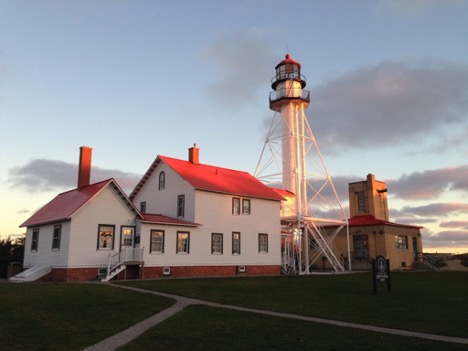
While you’re there, take some time to explore the historic Whitefish Point Light Station. The lighthouse has guided mariners through these waters for generations, and the present tower dates back to 1861.
Step Aboard a Piece of History at the Museum Ship Valley Camp
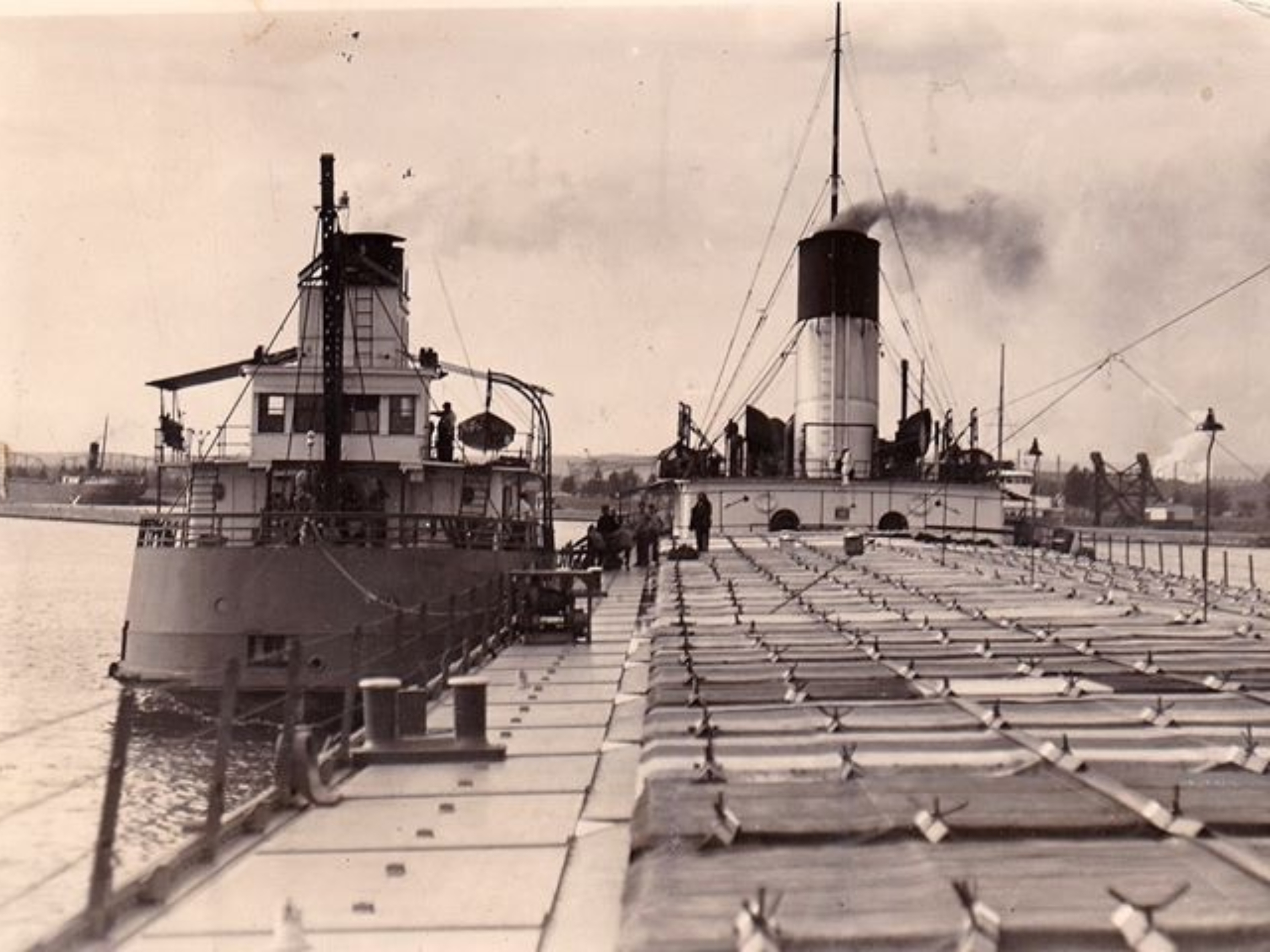
You don’t have to travel far from downtown Sault Ste. Marie to experience Great Lakes maritime history firsthand. Docked along Historic Water Street, the Museum Ship Valley Camp is a retired 550-foot freighter transformed into a floating museum. Built in 1917, the Valley Camp spent decades transporting cargo across the Great Lakes before retiring in 1966. Today, visitors can explore the ship’s deck, wheelhouse, crew accommodations, and massive cargo hold, which houses more than 100 exhibits.

One of its most significant displays is dedicated to the Edmund Fitzgerald. Inside, visitors can see two lifeboats recovered after the Fitzgerald sank, along with an informational presentation about the events of November 10, 1975. But the Valley Camp offers more than shipwreck history. Walking through the crew’s quarters and exploring the ship itself provides a different perspective on life aboard a Great Lakes freighter. From the captain’s accommodations to the spaces where other crew members lived and worked, it’s an opportunity to understand the people who kept these massive vessels moving. And after exploring the museum, you can step back outside and see modern freighters traveling along the St. Marys River.
The Soo Locks: Where Maritime History Is Still Being Made
Of course, you can’t tell the story of Great Lakes shipping without talking about the Soo Locks.
Since 1855, locks in Sault Ste. Marie have helped ships navigate the difference in water levels between Lake Superior and the lower Great Lakes. What once required unloading cargo and carrying it around the St. Marys River rapids eventually became one of the most important shipping routes in North America. Today, massive freighters still pass through the locks carrying iron ore, coal, grain, and other cargo.

At the Soo Locks Park in downtown Sault Ste. Marie, visitors can watch vessels enter the lock chambers, rise or lower as water levels change, and continue their journeys across the Great Lakes. During its operating season, the Soo Locks Visitor Center offers exhibits that explain the history, engineering, and importance of this remarkable transportation system. It’s one thing to read about the massive ships that have traveled these waters. It’s another to stand just a short distance away as one passes through the locks.
More Than Ships: Remembering the People Behind the History
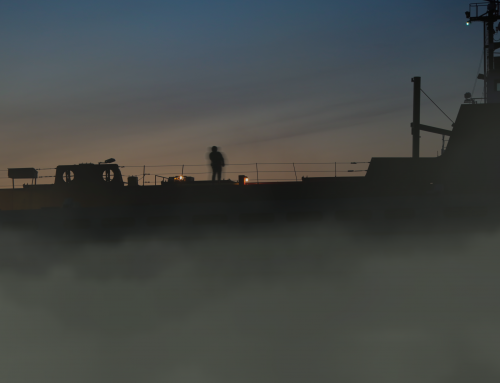
When we talk about Great Lakes maritime history, it’s easy to focus on the ships themselves. Their size, their cargo, their engineering, and the incredible distances they travel are fascinating. But behind every freighter is a crew that spends days and nights working on the water. The story of the Edmund Fitzgerald reminds us of that. So do the countless other stories preserved in museums, historical collections, and communities throughout the Great Lakes region. These places help us understand how shipping shaped the region, and remind us of the people who make it possible.
Discover the Stories for Yourself
Whether you’ve spent your whole life watching freighters or have only recently become interested in Great Lakes shipping, there’s always something new to discover. From the exhibits at Whitefish Point to the decks of the Valley Camp and the working Soo Locks, Sault Ste. Marie offers a chance to connect with the history that continues to shape our region. The next time you find yourself watching a freighter pass through the Soo, take a moment to think about the journeys, people, and stories that came before it. Here on the Great Lakes, history isn’t just something we look back on. It’s something we still see passing by.
Ready to explore? Start planning your maritime history getaway to Sault Ste. Marie, Michigan, and discover the stories waiting along the St. Marys River and Lake Superior’s shoreline.